
LATEST NEWS
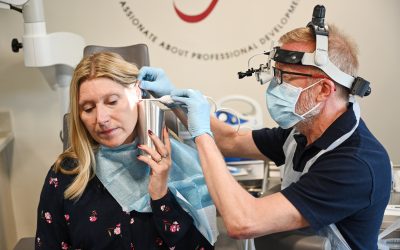
How can Micro Suction and Irrigation training benefit your Audiology Clinic?
Expanding your audiology clinic's services to include micro suction and irrigation ear wax removal can significantly enhance your business by attracting a broader range of patients who seek specialised ear care services, increasing your clinic's revenue through...

Why invest in your Front of House staff?
When clients/patients are satisfied with their experience, they are more receptive to exploring other offerings from your business, leading to increased revenue potential.
Engaging and gathering feedback through Front of House interactions can provide valuable insights for improving products, services, and overall operations in your clinic

A Creative Approach to Assessing and Fitting Musicians
Meeting the audiological needs of musicians requires specific knowledge and skills and a creative approach. Through this blog post, we'll explore a creative approach to assessing and fitting musicians; the essential aspects of assessing the hearing of musicians,...

Its important for your Front of House Staff to understand the how we hear.
It is important for front-of-house staff in an audiology clinic to understand how a client or patient hears because they are often the first and most frequent point of contact, and their communication directly affects patient/clients experience, trust, and outcomes. Key reasons include:
1. Better Communication With Patients Who Have Hearing Loss
• Understanding basic hearing mechanisms helps staff speak clearly, face patients, and use appropriate volume and pace.
• Staff are more likely to reduce background noise, use visual cues, and adapt their communication style.
• This prevents frustration and embarrassment for patients who may struggle to hear.
2. Improved Empathy and Sensitivity
• Knowing how hearing loss affects sound clarity (not just loudness) helps staff avoid assumptions such as “they just need it louder.”
• This understanding builds empathy for patients who may appear confused, withdrawn, or anxious.
3. More Accurate and Helpful Information
• Front-of-house staff often answer questions about:
o Appointments and tests
o Hearing aids and accessories
o Next steps after an assessment
• A basic understanding of hearing allows them to explain processes simply and accurately without giving misleading information.
4. Reduced Miscommunication and Errors
• Misheard names, appointment times, or instructions can lead to errors and dissatisfaction.
• Knowledge of hearing challenges helps staff proactively confirm understanding and use written or visual supports when needed.
5. Stronger Patient Trust and Professional Image
• Patients feel more confident in a clinic when all staff demonstrate awareness of hearing health.
• Consistent understanding across the team reinforces the clinic’s professional credibility.
6. Better Support for Family Members and Carers
• Front-of-house staff often interact with partners, parents, or carers.
• Understanding hearing helps staff explain why communication strategies are needed and why patience is important.
7. Enhanced Safety and Accessibility
• Staff can identify when a patient may not have heard important information, such as:
o Safety instructions
o Emergency announcements
• This supports inclusive and accessible care.
8. Alignment With Patient-client Centred Care
• An understanding of how hearing works ensures front-of-house staff contribute to a supportive, respectful, and hearing-friendly environment, from the waiting room to the reception desk.
When front-of-house staff understand how we hear, they communicate more effectively, reduce misunderstandings, show greater empathy, and help create a clinic experience that truly supports people with hearing loss.
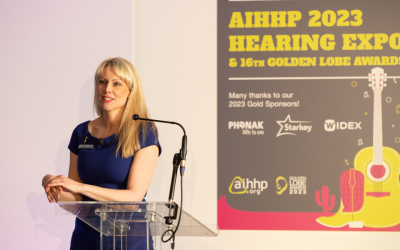
Getting to know – Sarah Riches
Our experienced tutors, exceptional courses, and progressive hearing care insights make continued professional development accessible to audiologists at every level.
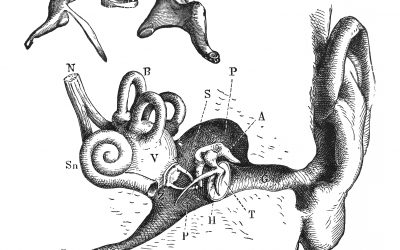
Tinnitus in Ancient History, Middle Ages & the Renaissance Eras
In this blog, we will take a different view on this hearing phenomenon and examine tinnitus in Ancient History, Middle Ages & the Renaissance Eras.
Contact Us
Call or email us directly, using the contact information listed below.
01902 200201
07483 157011
The Audiology Academy, The Corner House, High St, Wombourne WV5 9DN
9am – 5pm Mon & Tue, 9am – 5pm Thur and 9am – 1pm Fri., closed Wed, Sat & Sun.
